%2Ffit-in%2F250x250%2Fguide_websites%2F119245%2Fimages%2F1770853314390gemini_generated_image_ro5ppqro5ppqro5p-removebg-preview.png&w=1920&q=100)
/users/753480f6-3fec-47c0-9374-2b60a96e6167/ratecard/ff8d374dc19bc03c275b1b7e3d52cab2-mlim9c8u.jpg)
%2F300x300%2Fusers%2F753480f6-3fec-47c0-9374-2b60a96e6167%2Fratecard%2Fff8d374dc19bc03c275b1b7e3d52cab2-mlim9c8u.jpg&w=256&q=75)
%2F300x300%2Fusers%2F753480f6-3fec-47c0-9374-2b60a96e6167%2Fimages%2Ffishing-outing-wanchese-2325.jpg&w=256&q=75)
%2F300x300%2Fusers%2F753480f6-3fec-47c0-9374-2b60a96e6167%2Fimages%2Fgreat-fishing-trip-wanchese-2465.jpg&w=256&q=75)
%2F300x300%2Fusers%2F753480f6-3fec-47c0-9374-2b60a96e6167%2Fimages%2Ffishing-in-north-carolina-2552.jpg&w=256&q=75)
%2F300x300%2Fusers%2F753480f6-3fec-47c0-9374-2b60a96e6167%2Fimages%2Ffishing-wanchese-2378.jpg&w=256&q=75)
%2F300x300%2Fusers%2F753480f6-3fec-47c0-9374-2b60a96e6167%2Fimages%2Fthree-anglers-fishing-north-carolina-2428.jpg&w=256&q=75)
%2F300x300%2Fusers%2F753480f6-3fec-47c0-9374-2b60a96e6167%2Fimages%2Fbluefish-catch-wanchese-2509.jpg&w=256&q=75)
%2F300x300%2Fusers%2F753480f6-3fec-47c0-9374-2b60a96e6167%2Fimages%2Fwanchese-fishing-haul-2516.jpg&w=256&q=75)
%2F300x300%2Fusers%2F753480f6-3fec-47c0-9374-2b60a96e6167%2Fimages%2Fbountiful-fishing-wanchese-2359.jpg&w=256&q=75)
%2F300x300%2Fusers%2F753480f6-3fec-47c0-9374-2b60a96e6167%2Fimages%2Fbest-great-fishing-trip-nc-2609.jpg&w=256&q=75)
%2F300x300%2Fusers%2F753480f6-3fec-47c0-9374-2b60a96e6167%2Fimages%2Fwanchese-redfish-catch-2521.jpg&w=256&q=75)
AM Speckled Trout Fishing Wanchese Sea Jay
 Wanchese, NC
What you will be catching:
 Bluefish
 Cobia
Cobia Redfish
 Sea Trout
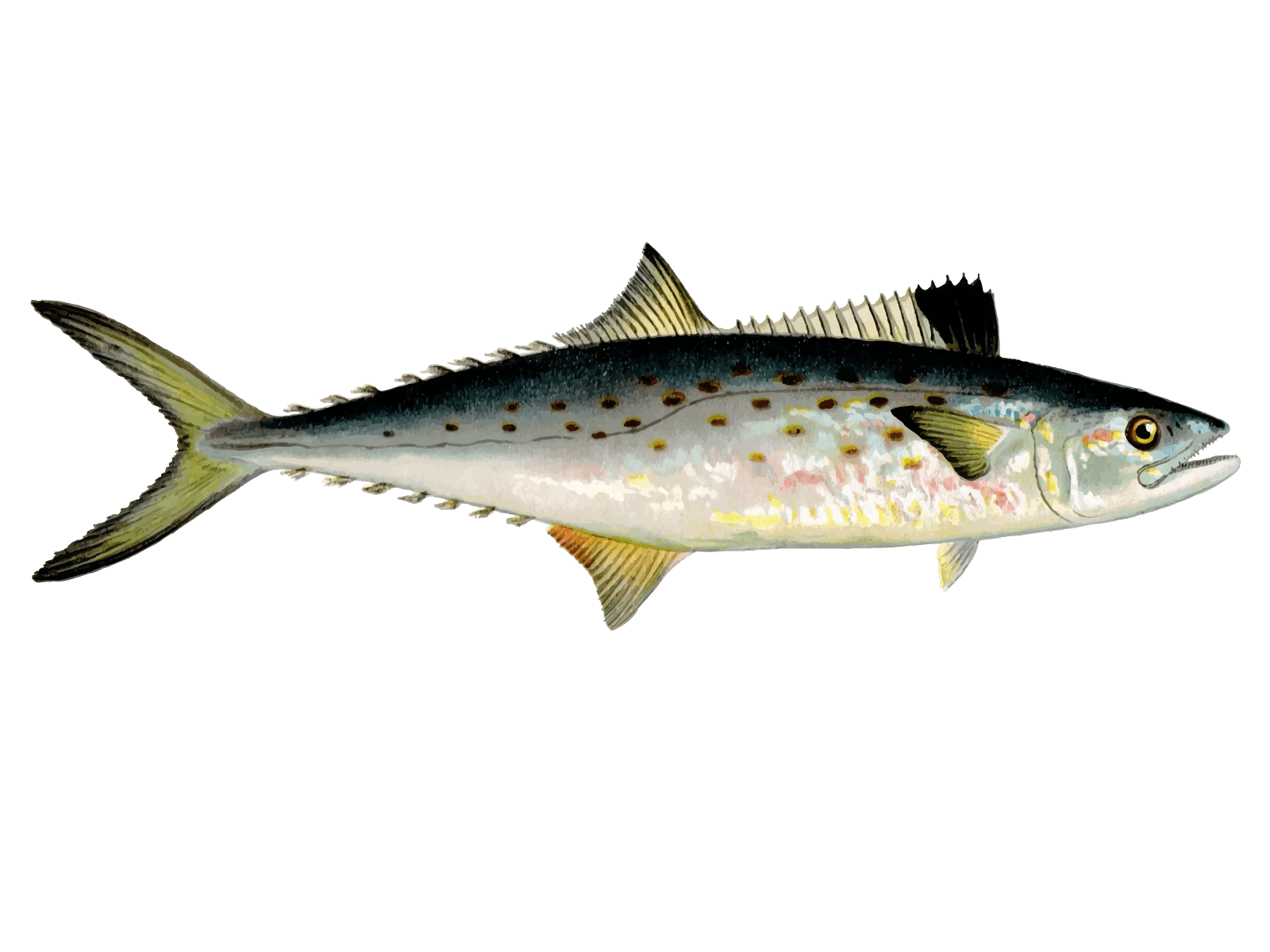
 Spanish Mackerel
- Half-day charter targeting red drum and speckled trout in prime waters
- All equipment, bait, tackle, and fishing licenses included in package
- Four-hour morning departure suitable for all experience levels
Trip Pricing and Availabilities:
Morning Inshore Action in Wanchese Waters
Picture this: you're on the water at sunrise, casting lines in some of North Carolina's most productive inshore fishing grounds. Our morning half-day charter out of Wanchese puts you right in the sweet spot where the sound meets the ocean, targeting the kind of fish that make the Outer Banks famous. This four-hour trip kicks off at 7 AM, giving you the entire boat for your crew of up to six anglers. Whether you're bringing the family for their first fishing adventure or you're seasoned locals looking for consistent action, this charter delivers the goods without breaking the bank.
What to Expect on the Water
Wanchese sits perfectly positioned between the Roanoke Sound and the Atlantic, giving us access to varied structure that holds fish year-round. We'll work the grass beds, drop-offs, and channel edges that red drum and speckled trout call home. The morning bite is typically the most productive time, especially during warmer months when fish are more active before the midday heat sets in. You'll be fishing with light tackle that makes even smaller fish feel like champions, and don't worry about bringing gear – we've got all the rods, reels, bait, and tackle covered. The boat's equipped with everything needed for a comfortable morning on the water, including your fishing licenses. Just show up with polarized sunglasses, some snacks if you get hungry, and non-spray sunscreen to protect the marine environment.
Light Tackle Techniques
This isn't heavy-duty offshore fishing – we're talking finesse and fun with light spinning gear that puts you in direct contact with every fish. We'll be using a mix of live bait, soft plastics, and topwater lures depending on conditions and what the fish are telling us. Popping corks with live shrimp work magic over grass beds, while soft plastic paddle tails excel around structure. When the water's calm and clear, nothing beats the excitement of topwater plugs getting crushed by hungry reds in shallow water. The beauty of inshore fishing is the variety – we might start the day working a channel edge for trout, then move to shallow flats where drum are tailing, and finish up casting to breaking schools of Spanish mackerel or bluefish. Every trip's different based on tides, weather, and what's biting, but that's what keeps it interesting.
Species You'll Want to Hook
Red drum are the backbone of Outer Banks inshore fishing, and for good reason. These copper-colored beauties range from schoolie-sized 18-inchers up to slot-sized fish pushing 27 inches. They're most active during moving tides and love shallow water where they can corner baitfish against grass beds or oyster bars. Spring through fall offers the most consistent action, though we catch them year-round. What makes reds special is their willingness to eat almost anything and their bulldogging fight that'll test your drag system. Plus, they're excellent table fare when kept within slot limits.
Speckled trout are the other half of the inshore slam that keeps anglers coming back. These spotted beauties are ambush predators that lurk around grass edges and drop-offs, waiting for unsuspecting shrimp or baitfish. They typically run 14 to 20 inches in our waters, with occasional gator trout exceeding 24 inches. Specks are temperature sensitive, so they're most active during cooler parts of the day – making our morning departure perfect timing. They have soft mouths, so light tackle is essential, and their delicate white meat makes them a favorite for the dinner table.
Spanish mackerel show up in good numbers during summer months, usually when water temperatures climb above 70 degrees. These silver rockets are pure speed and aggression, often feeding in schools that create visible surface commotion. They'll hit small spoons, got-cha plugs, and even pieces of shrimp fished under popping corks. Most Spanish run 14 to 18 inches and provide nonstop action when you find them. They're also fantastic smoked or grilled fresh.
Bluefish are the choppers of the inshore waters – aggressive, hard-fighting, and always hungry. They travel in schools and can turn a slow day into nonstop action in minutes. Blues range from snapper-sized fish perfect for kids up to chopper blues over five pounds that'll straighten hooks if you're not careful. They hit everything from topwater plugs to cut bait and provide some of the most exciting fishing when they're feeding on the surface.
Cobia are the bonus fish that can make any trip memorable. These brown sharks with attitude show up around structure, following rays, or just cruising the shallows. They're curious fish that often come up to investigate the boat, giving you sight-fishing opportunities that get your heart pumping. Most cobia we see run 30 to 40 inches, and they fight like freight trains once hooked. They're also considered some of the best eating fish in the ocean.
Time to Book Your Spot
Morning trips consistently outperform afternoon charters, especially during summer when afternoon thunderstorms can pop up. This four-hour window gives you prime fishing time without eating up your entire day, leaving afternoon free for beach time or exploring the Outer Banks. The whole boat booking means you're not sharing space with strangers – just you and your crew having a great time on the water. With all gear, bait, tackle, and licenses included, there's no hidden costs or last-minute surprises. Book this top-rated Wanchese charter and see why inshore fishing keeps locals and visitors coming back season after season. The fish are biting, the weather's perfect, and your crew's ready – time to make it happen.
Learn more about the species
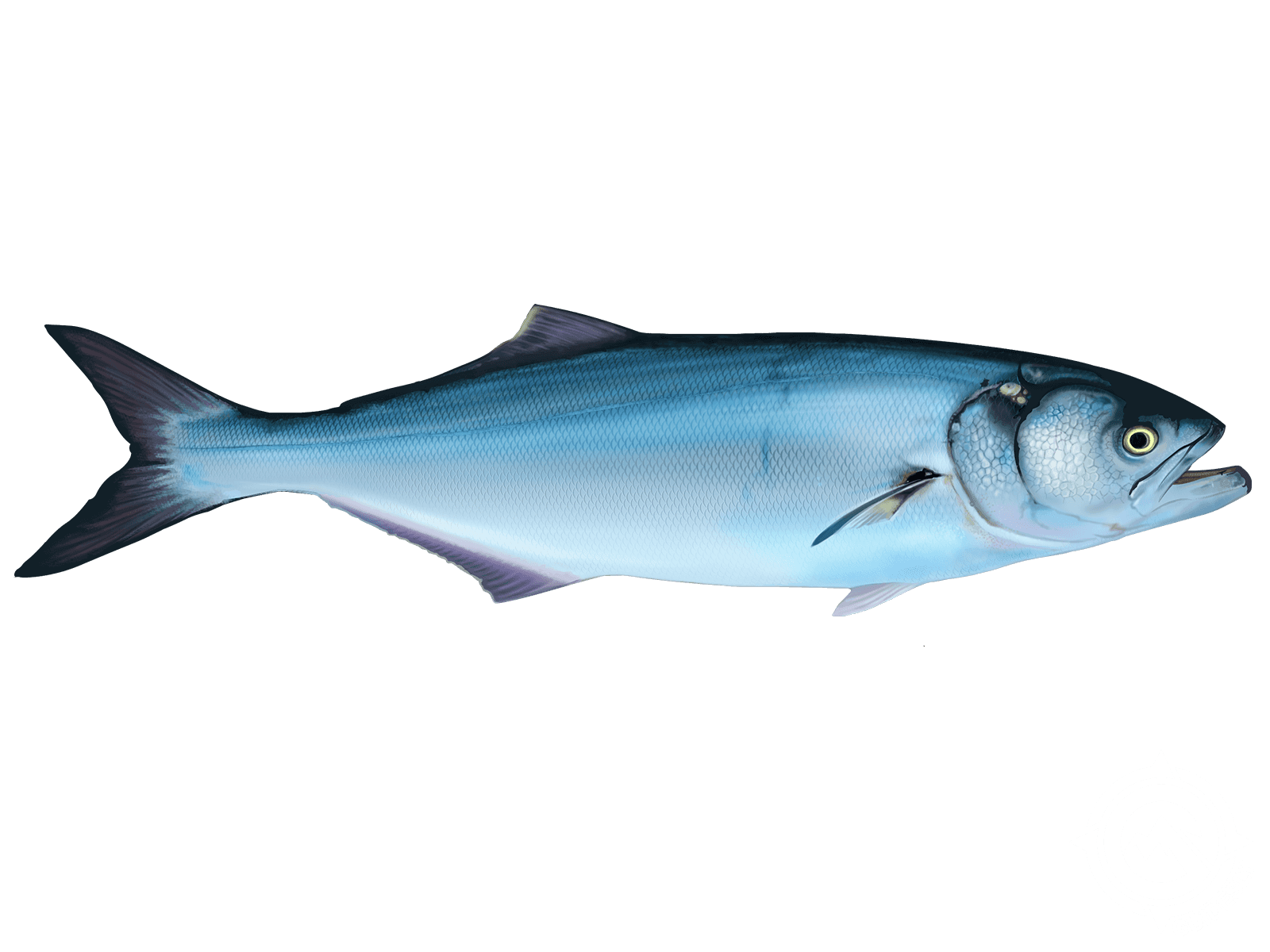
Bluefish
Bluefish are aggressive predators that'll attack anything that moves, making them perfect for beginners and exciting for experienced anglers. These blue-green fighters typically range from 2-10 pounds with razor-sharp teeth and attitudes to match. They travel in schools and can be found anywhere from surf zones to deeper waters around structure. Summer and fall bring the best action when they're feeding heavily before their southern migration. Guests love them because they're easy to hook, fight hard, and create lots of action when you find a school. Fresh bluefish are excellent table fare if prepared quickly. My main tip is to always use a wire leader - their teeth will cut through mono in a heartbeat. When you find feeding birds diving, that's usually blues underneath tearing into baitfish.
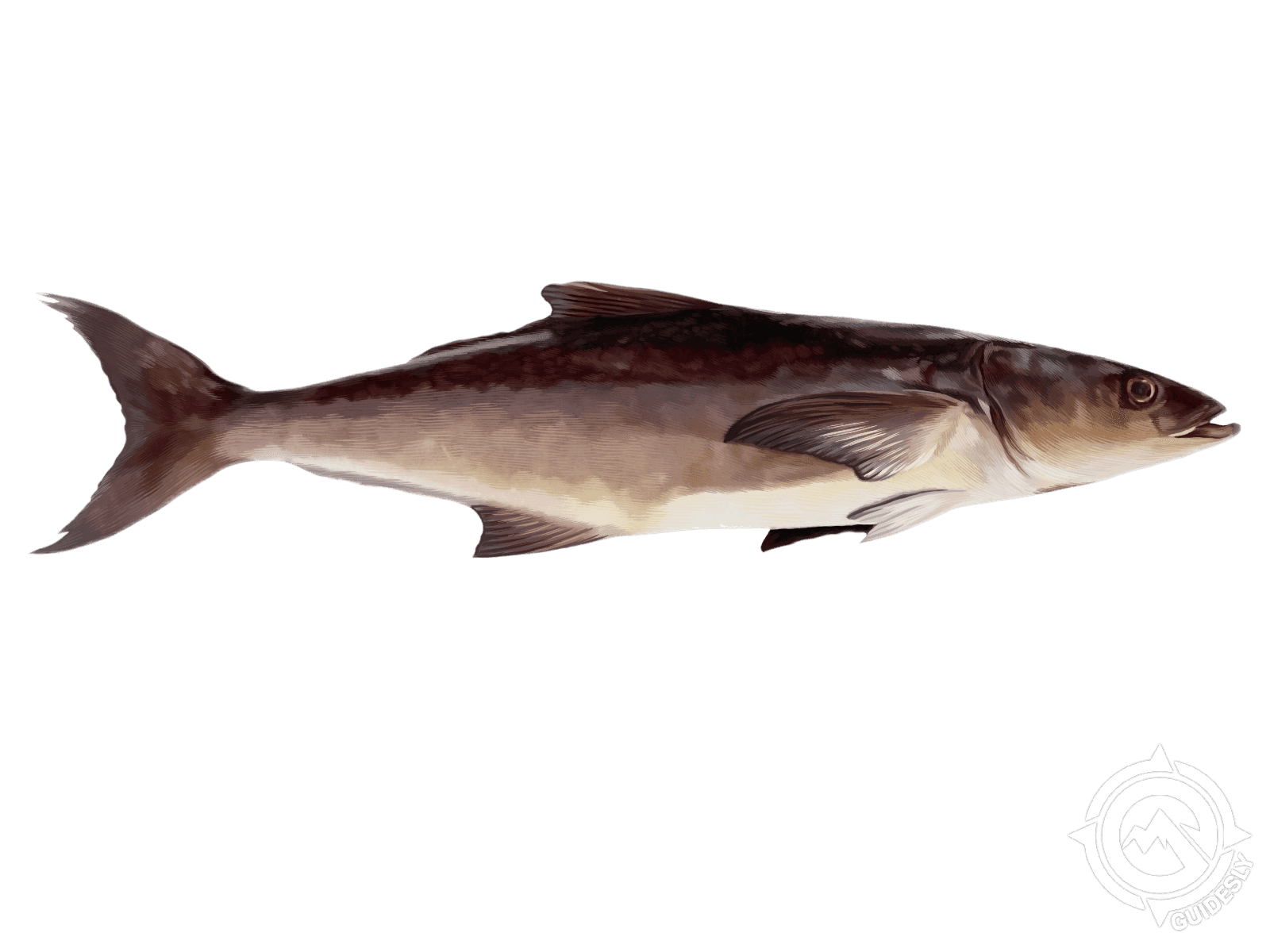
Cobia
Cobia are the wildcards on our trips - when conditions are right and we spot one, it's game on. These brown, shark-looking fish can reach 40-50 pounds and put up one heck of a fight. They're usually loners hanging around structure like buoys, wrecks, or even following rays in 20-40 feet of water. Spring migration from April through June is your best shot at hooking one. What makes cobia special is they're curious fish that'll often come right up to the boat to investigate, giving you multiple shots. They're also top-shelf eating with firm, white meat that tastes similar to grouper. When we do find one, I tell guests to cast a bucktail jig or live eel right in front of them and be ready - these fish hit hard and run fast once they're hooked.
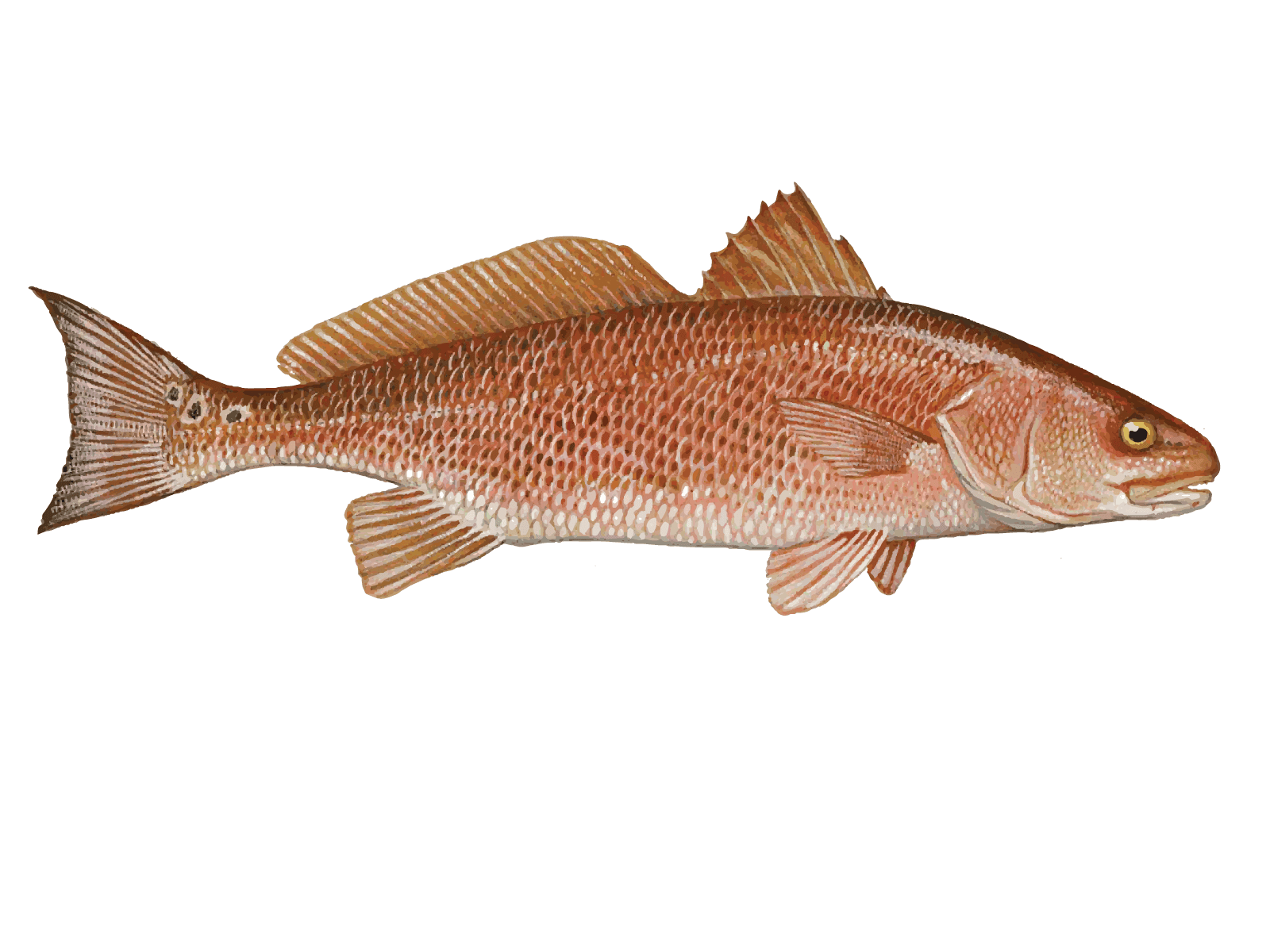
Redfish
Red drum are the bread and butter of our inshore fishing here in Wanchese. These copper-colored fighters typically range from 20-35 inches with that distinctive black spot near their tail. You'll find them cruising our shallow flats, oyster reefs, and around dock pilings in just 1-4 feet of water. Spring through fall are prime time, but they bite year-round when you know where to look. What guests love about reds is their powerful runs and stubborn fights - they'll strip drag and test your equipment. Plus they're fantastic eating with firm, sweet meat. My go-to tip is to watch for their backs showing in skinny water during moving tides. When you spot one tailing or cruising, cast a shrimp or soft plastic ahead of them and work it slow along the bottom.
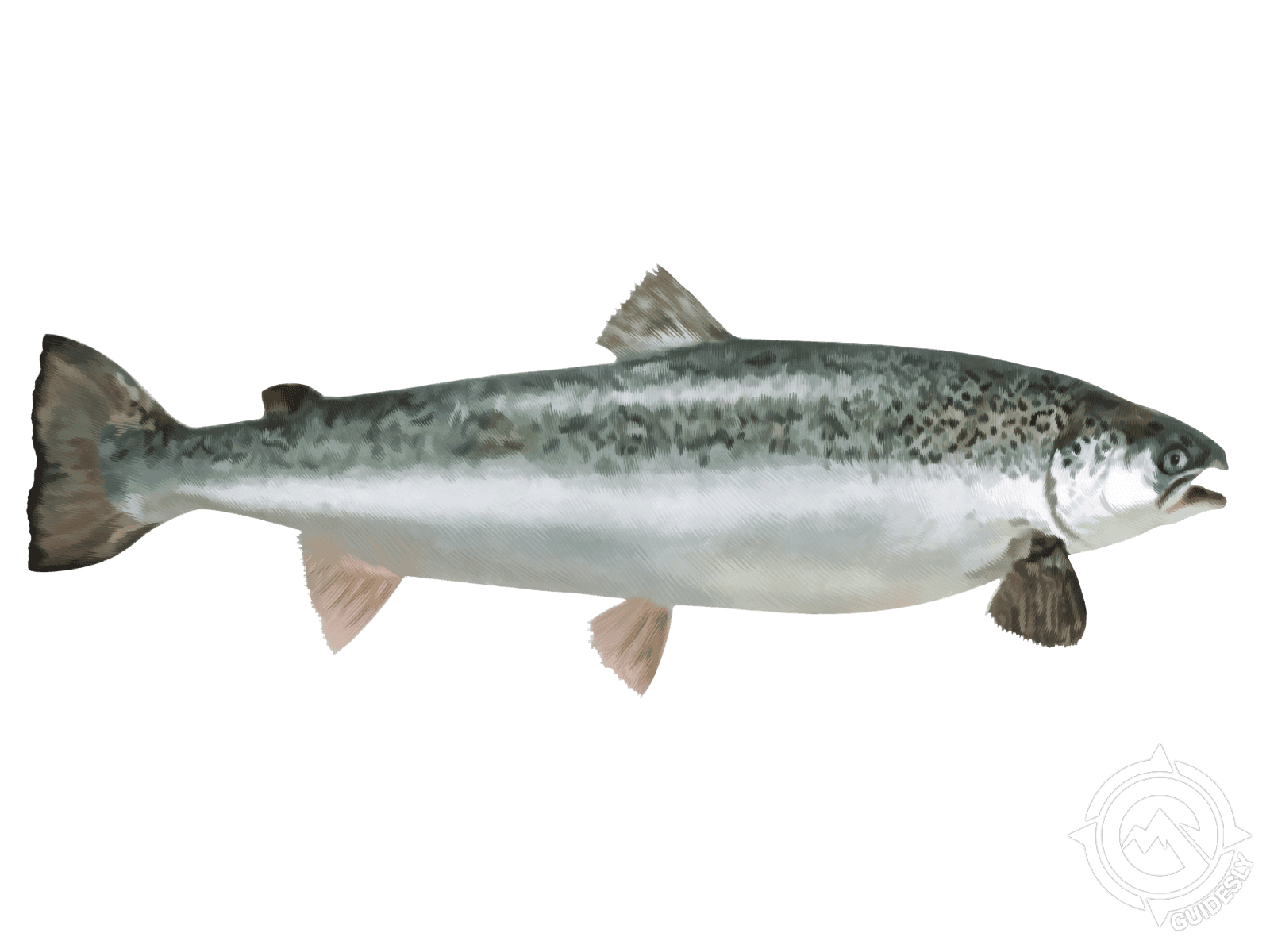
Sea Trout
Speckled trout are one of our most consistent catches here around the Outer Banks. These spotted beauties typically run 14-24 inches and love our shallow grass flats and oyster bars in 2-6 feet of water. They're active year-round but really turn on during spring and fall when water temps hit that sweet spot. What makes them fun is their willingness to hit both live shrimp and artificial lures - plus they're excellent table fare with mild, flaky white meat. The key trick I share with guests is to work your lure slow and steady along the bottom edges of grass beds right at dawn or dusk. That's when these fish really feed aggressively and you'll get those solid strikes that make for great action on light tackle.
Spanish Mackerel
Spanish mackerel are some of the fastest fish we target, and they'll keep your rod bent all morning when they're around. These silver speedsters with yellow spots typically run 1-3 pounds but make up for size with pure speed and numbers. Look for them in schools near the surface around structure or bait balls from late spring through early fall. They hit the water running and don't quit fighting until they're in the boat. What guests enjoy is the non-stop action when we find a school - you can catch dozens in a short time. They're also great eating when fresh, with mild, flaky meat perfect for grilling. The trick with Spanish mackerel is using small, fast-moving lures like spoons or small jigs. Keep them moving quickly through the water column and hold on tight when they strike.
About the Privateer
%2F%2Fusers%2F753480f6-3fec-47c0-9374-2b60a96e6167%2Fvehicle_picture%2F428179a37069fa74dfc7a35cc5936a99-mlil77n3.jpg&w=1920&q=75)
Vehicle Guest Capacity: 6
Manufacturer Name: Yamaha
Maximum Cruising Speed: 24
Number of Engines: 1
Horsepower per Engine: 150