%2Ffit-in%2F250x250%2Fguide_websites%2F119245%2Fimages%2F1770853314390gemini_generated_image_ro5ppqro5ppqro5p-removebg-preview.png&w=1920&q=100)
/users/753480f6-3fec-47c0-9374-2b60a96e6167/ratecard/6bc76a4db6b4507face11816cfe49894-mlimthec.jpg)
%2F300x300%2Fusers%2F753480f6-3fec-47c0-9374-2b60a96e6167%2Fratecard%2F6bc76a4db6b4507face11816cfe49894-mlimthec.jpg&w=256&q=75)
%2F300x300%2Fusers%2F753480f6-3fec-47c0-9374-2b60a96e6167%2Fimages%2Ffishing-outing-wanchese-2325.jpg&w=256&q=75)
%2F300x300%2Fusers%2F753480f6-3fec-47c0-9374-2b60a96e6167%2Fimages%2Fgreat-fishing-trip-wanchese-2465.jpg&w=256&q=75)
%2F300x300%2Fusers%2F753480f6-3fec-47c0-9374-2b60a96e6167%2Fimages%2Ffishing-in-north-carolina-2552.jpg&w=256&q=75)
%2F300x300%2Fusers%2F753480f6-3fec-47c0-9374-2b60a96e6167%2Fimages%2Ffishing-wanchese-2378.jpg&w=256&q=75)
%2F300x300%2Fusers%2F753480f6-3fec-47c0-9374-2b60a96e6167%2Fimages%2Fthree-anglers-fishing-north-carolina-2428.jpg&w=256&q=75)
%2F300x300%2Fusers%2F753480f6-3fec-47c0-9374-2b60a96e6167%2Fimages%2Fbluefish-catch-wanchese-2509.jpg&w=256&q=75)
%2F300x300%2Fusers%2F753480f6-3fec-47c0-9374-2b60a96e6167%2Fimages%2Fwanchese-fishing-haul-2516.jpg&w=256&q=75)
%2F300x300%2Fusers%2F753480f6-3fec-47c0-9374-2b60a96e6167%2Fimages%2Fbountiful-fishing-wanchese-2359.jpg&w=256&q=75)
%2F300x300%2Fusers%2F753480f6-3fec-47c0-9374-2b60a96e6167%2Fimages%2Fbest-great-fishing-trip-nc-2609.jpg&w=256&q=75)
%2F300x300%2Fusers%2F753480f6-3fec-47c0-9374-2b60a96e6167%2Fimages%2Fwanchese-redfish-catch-2521.jpg&w=256&q=75)
Wanchese Inshore Red Drum Charter Sea Jay Fishing
 Wanchese, NC
What you will be catching:
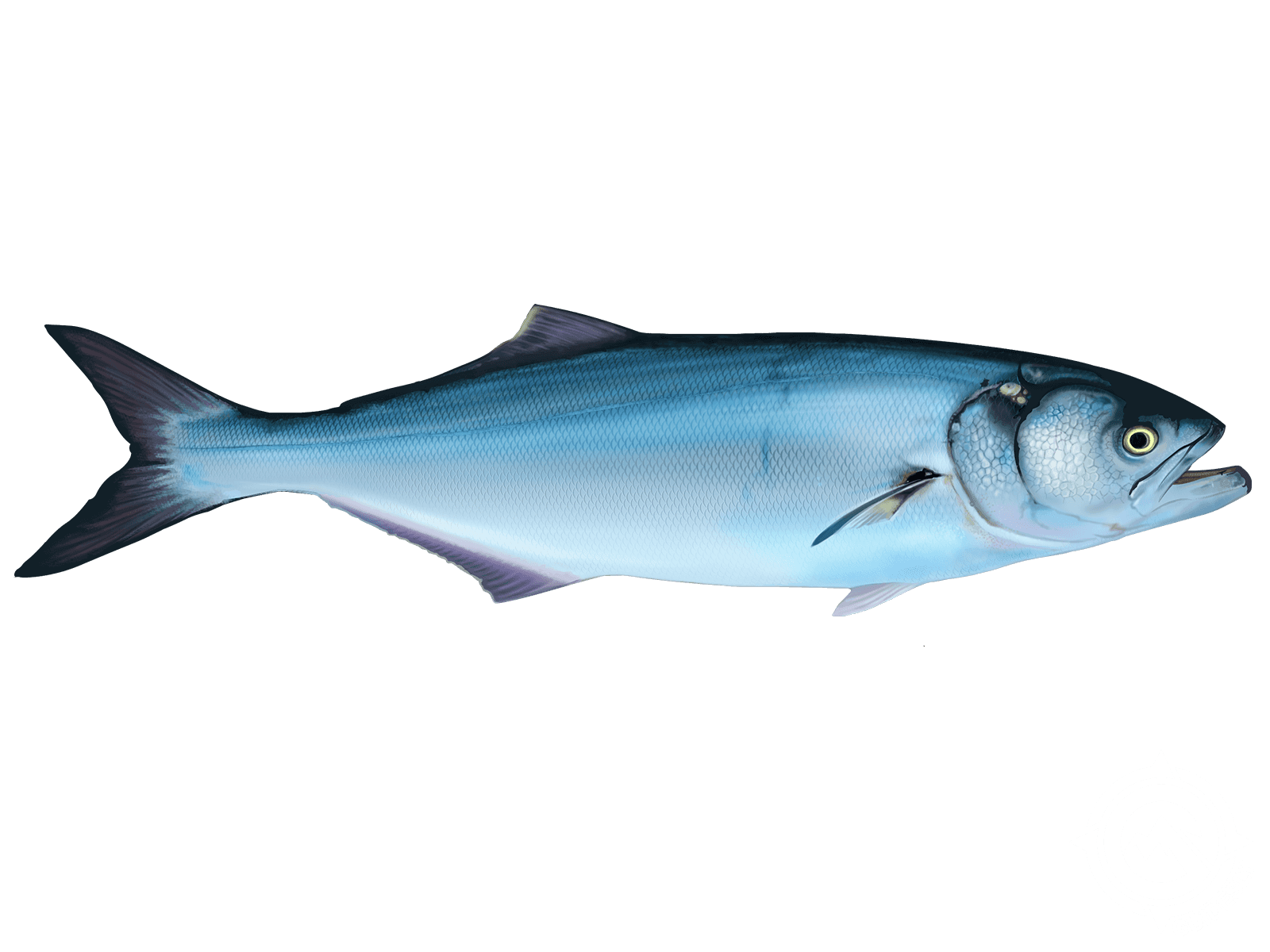
 Bluefish
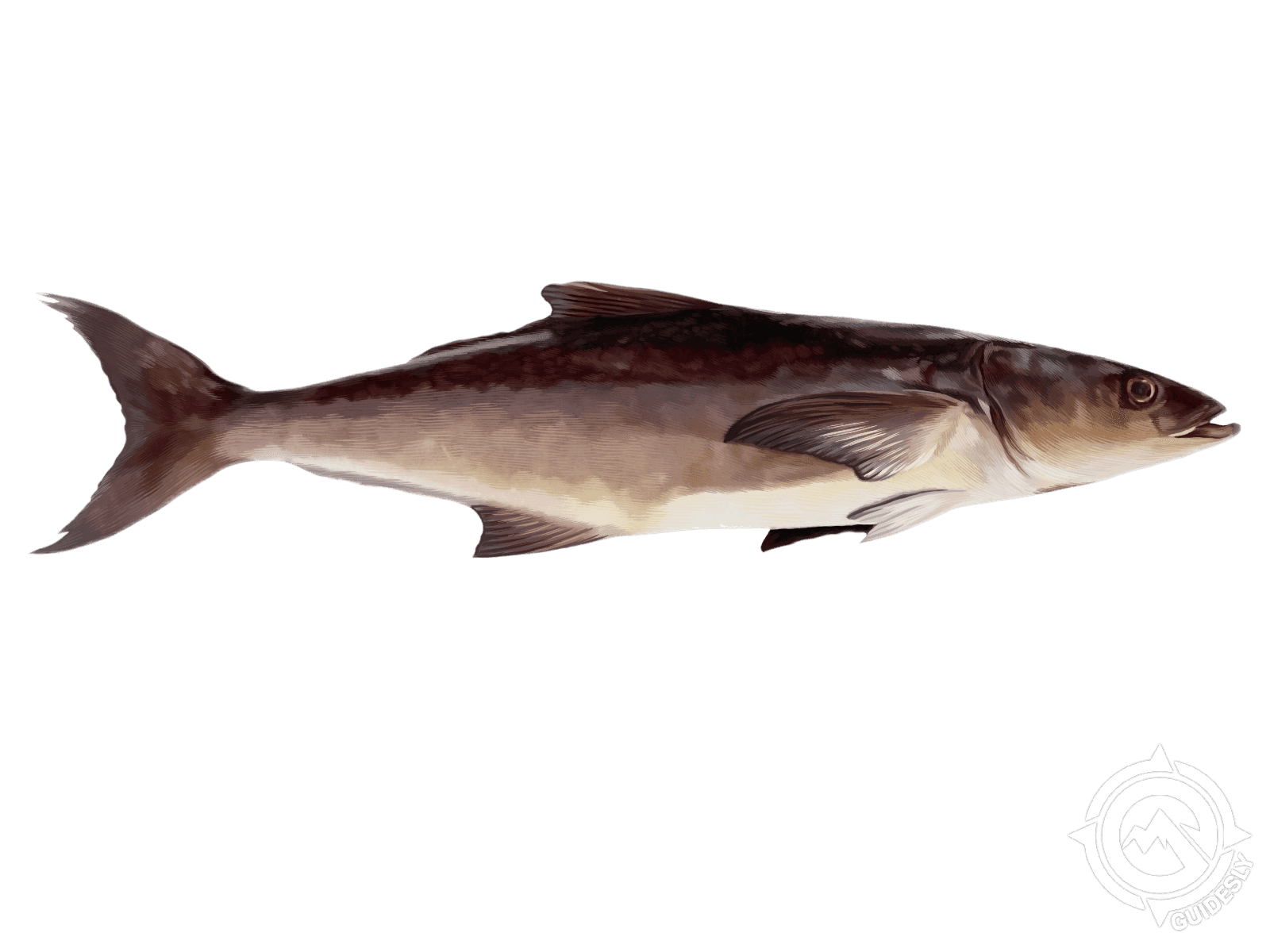
 Cobia
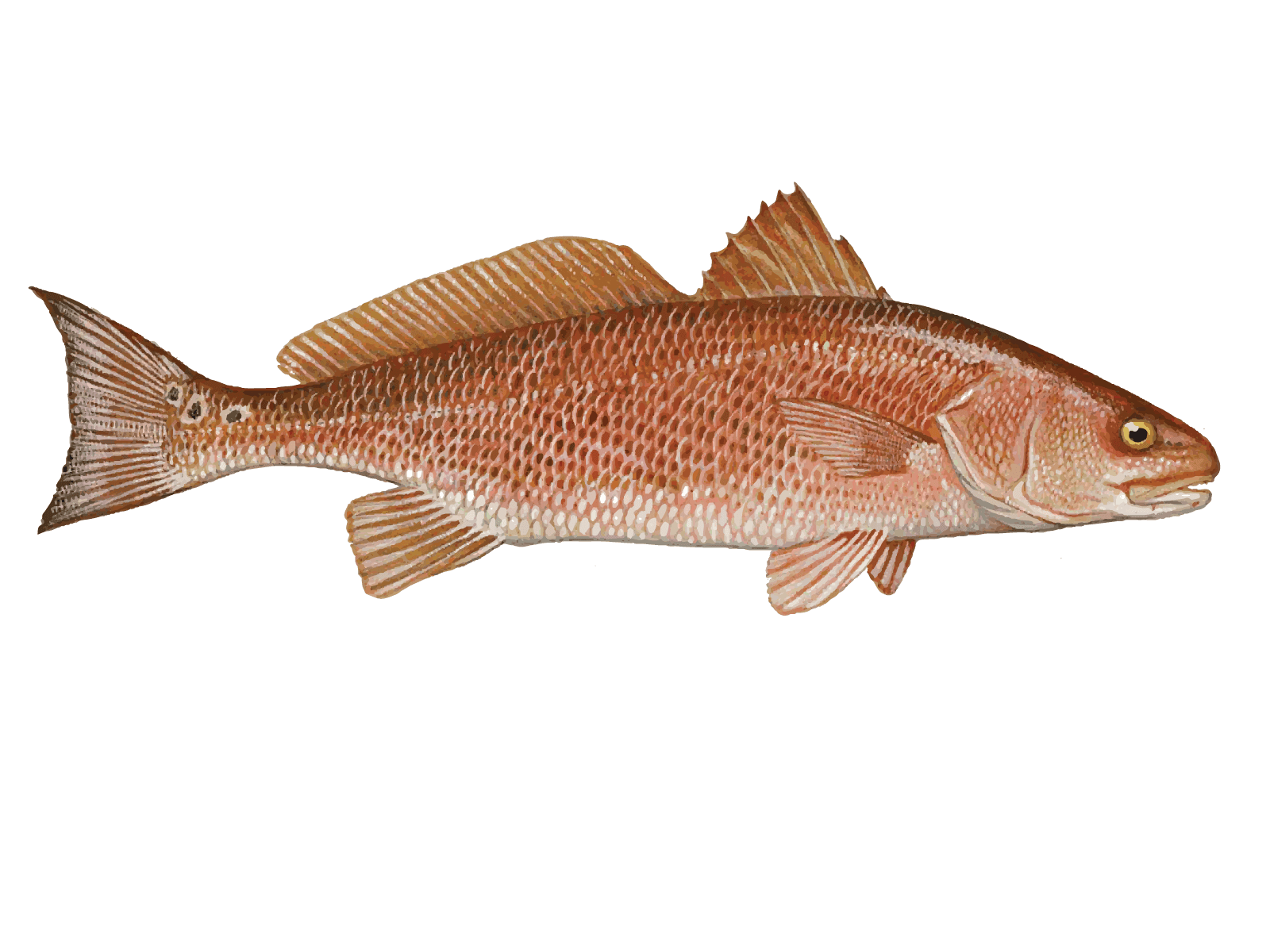
Cobia Redfish
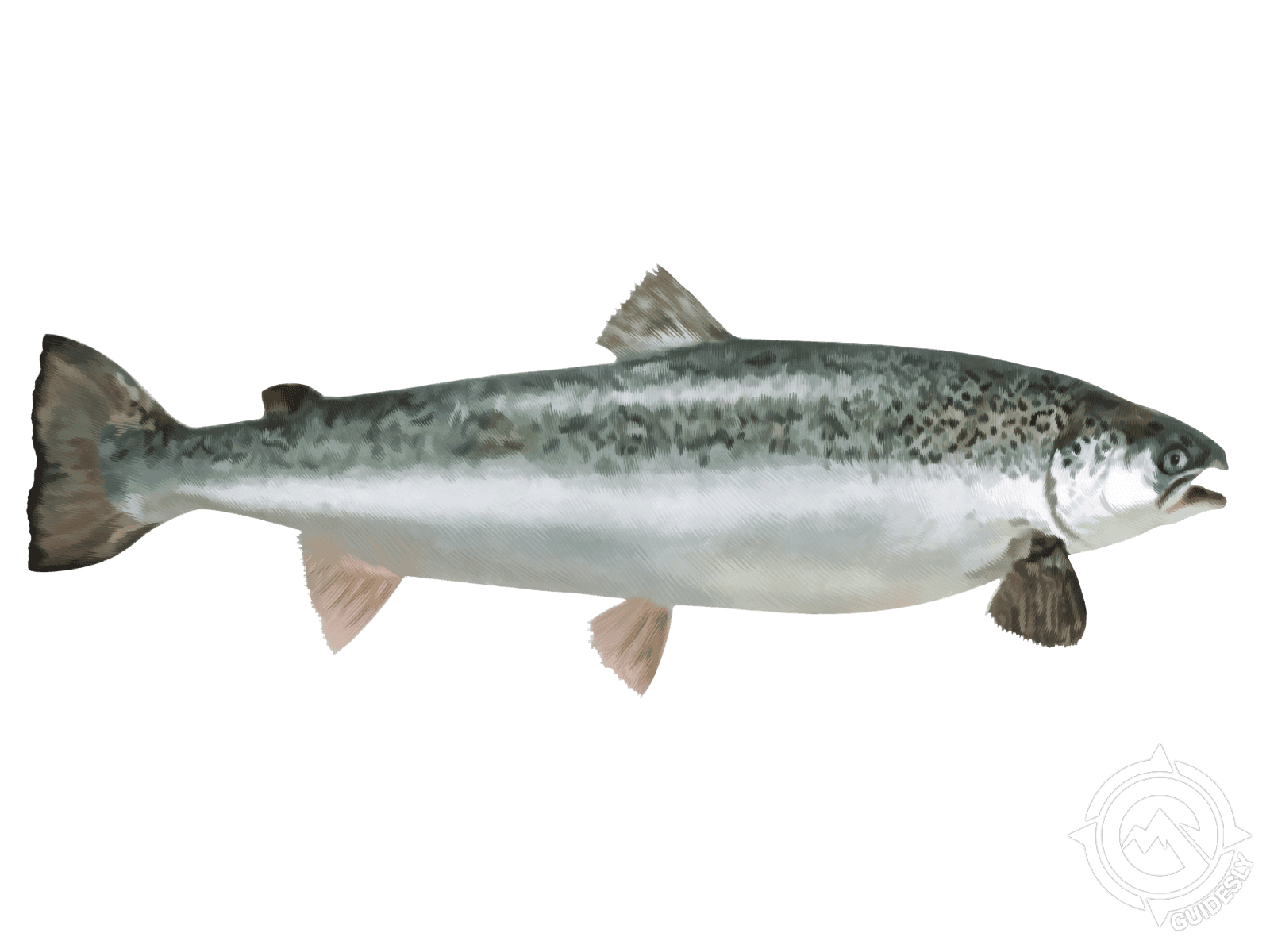
 Sea Trout
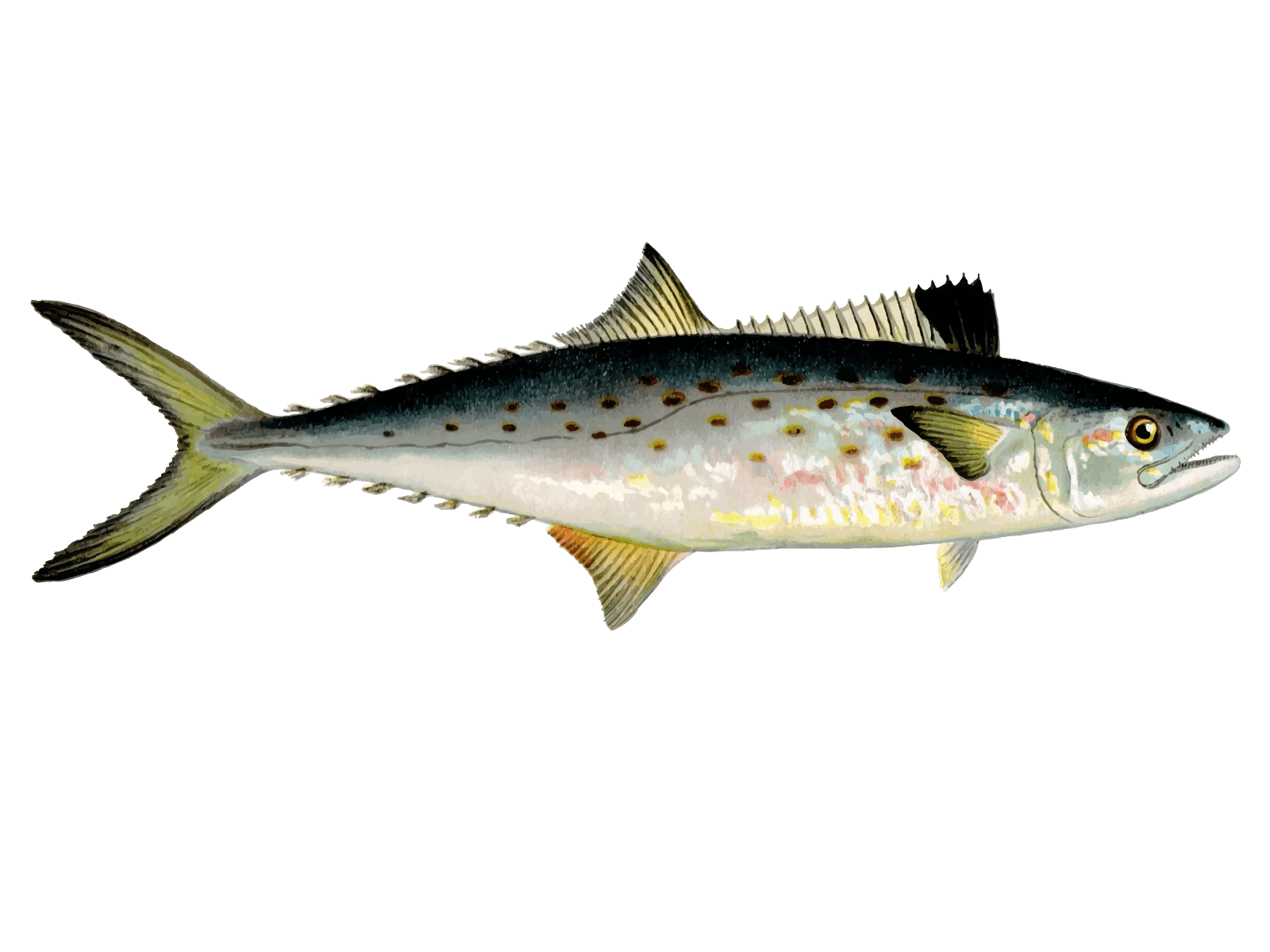
 Spanish Mackerel
- 6-hour private charter accommodates up to 6 guests with equipment included
- Target red drum, speckled trout, bluefish, and Spanish mackerel using light tackle
- Early 7 AM departure maximizes fishing time and improves catch success rates
Trip Pricing and Availabilities:
Wanchese NC Inshore Red Drum and Speckled Trout
There's something special about getting out on the water before the sun fully rises, and our 6-hour Wanchese inshore charter gives you exactly that kind of authentic North Carolina fishing experience. Starting at 7:00 AM, you'll have plenty of time to hit the productive spots where the fish are actually biting. This isn't a rushed trip – we're talking about a full day targeting some of the best inshore species the Outer Banks has to offer, including red drum, speckled trout, bluefish, and Spanish mackerel. Whether you're a complete beginner or you've been fishing these waters for years, this charter is designed to put fish in the boat while keeping things relaxed and enjoyable for your whole group.
What to Expect on the Water
Wanchese sits right in the heart of some of North Carolina's most productive inshore fishing grounds, and we know exactly where to find the action. Your captain will take you to proven spots in the sound and around structure where fish naturally congregate. The extended 6-hour window means we're not watching the clock – if the bite is hot in one area, we can stay put and work it thoroughly. If things slow down, we've got time to move and find where the fish have relocated. This flexibility is what separates a good day from a great day on the water. We keep things simple with light tackle that's perfect for beginners but still sporting enough to give experienced anglers a real fight. The boat comfortably handles up to 6 passengers, so you can bring the whole crew without feeling cramped. All your bait, tackle, and lures are included, plus we handle the fishing licenses for your private group.
Techniques & Tackle Setup
We run light tackle setups that are forgiving for newcomers but still give you that authentic fight these inshore species are known for. Depending on conditions and what we're targeting, we'll use everything from live bait rigs for red drum to artificial lures for speckled trout and Spanish mackerel. The beauty of inshore fishing here is the variety – one minute you might be working a grass flat for trout, the next we're around structure looking for drum or cobia. We'll show you how to read the water, spot signs of fish activity, and adjust your technique based on what we're seeing. The captain will guide you through proper hook-setting, fighting techniques, and safe fish handling. If you're new to saltwater fishing, don't worry – we'll have you casting like a pro and recognizing bites in no time. For those with more experience, we're always happy to share local knowledge about seasonal patterns, tide movements, and the subtle differences in how each species behaves in these waters.
Species You'll Want to Hook
Sea trout, or speckled trout as we call them locally, are absolute favorites among inshore anglers here in Wanchese. These beautiful fish are most active during the cooler parts of the day, which is why our early morning departure works perfectly. Specks typically run anywhere from 14 to 20 inches, with some real slabs pushing over 24 inches during peak season. They love grass flats and drop-offs, and when you hook one, you'll feel that distinctive headshake that makes them so addictive to catch. Spring through fall is prime time, but some of our best speckled trout fishing happens in the cooler months when bigger fish move into deeper channels.
Redfish are the crown jewel of North Carolina inshore fishing, and for good reason. These copper-colored bulldogs can range from slot-sized fish around 18-27 inches up to massive bull reds that'll test your drag and your arms. Red drum are year-round residents, but fall brings some of the most consistent action as they school up before heading to spawn. What makes redfish so exciting is their power – they don't jump like a trout, but they'll make long, powerful runs that get your heart pumping. Plus, they're excellent table fare when kept within regulations.
Cobia are the wildcards of our inshore trips, and when they show up, things get exciting fast. These curious fish can appear seemingly out of nowhere, often following rays or just cruising near the surface. Cobia typically run 20-40 pounds in our waters, and they're known for their incredible fighting ability and acrobatic jumps. Late spring through early fall is prime cobia season, and they're always a photo-worthy catch that gets everyone on the boat fired up.
Spanish mackerel bring non-stop action when they're around, usually from late spring through fall. These speedsters hit fast and fight hard for their size, typically running 1-3 pounds with some larger ones mixed in. They're perfect for kids or anyone who wants consistent action, as they often travel in schools and will hit everything from live bait to small spoons and jigs. Spanish mackerel are also fantastic eating – their meat is firm and flavorful when prepared fresh.
Bluefish round out our target list and provide some of the most aggressive strikes you'll experience inshore. These toothy predators travel in schools and when you find them, the action can be absolutely insane. Blues range from smaller "snapper" blues perfect for kids to larger fish that can exceed 10 pounds. They're voracious feeders and will hit just about anything you put in front of them. While they're not everyone's first choice for the dinner table, they're incredible fun to catch and provide excellent action when other species are being finicky.
Time to Book Your Spot
This 6-hour Wanchese inshore charter offers something you won't find on shorter trips – the time and flexibility to really fish multiple spots and target different species based on conditions. With an early 7:00 AM start, you'll beat the crowds and hit the water when fish are most active. The combination of productive local waters, experienced guidance, and quality light tackle makes this a top
Learn more about the species
Bluefish
Blues are aggressive predators that average 3-8 pounds, with their razor-sharp teeth and powerful jaws making them serious business to handle. They travel in schools and feed heavily in 10-50 feet of water around structure, bait schools, or current breaks. Late spring through fall gives you consistent action when they're pushing through our area following baitfish. What makes them exciting is their vicious strikes and strong fights - they'll bend your rod and pull drag. They're excellent table fare when prepared fresh, with firm, flaky meat. Just be careful of those teeth when handling them. Blues will hit almost anything when they're feeding, from spoons to topwater plugs. Local tip - when you find feeding blues, work fast because the school can disappear quickly. Use a wire leader or heavy mono since they'll cut through light line in a heartbeat.
Cobia
Cobia are the brown sharks that aren't sharks - their single dorsal fin and dark coloring fool a lot of folks at first glance. These bruisers average 20-50 pounds but can push 100+ pounds when you find a good one. They hang around structure like buoys, wrecks, and channel markers, usually in 30-70 feet of water, though we spot them shallow too. Late spring through early fall is prime time when they're migrating through our waters. What makes cobia special is their incredible fight - they'll pull drag like a freight train and never quit. The meat is outstanding too, firm and white like a cross between grouper and mahi. They're curious fish and will often follow the boat, giving you multiple shot opportunities. My go-to technique is sight fishing with a bucktail jig. When you spot one, get that jig in front of them and work it steady - no fancy moves needed.
Redfish
Red drum are one of our most reliable targets, running anywhere from schoolie-size around 18-24 inches up to bull reds over 40 inches. They love super shallow water - sometimes so shallow their backs show above the surface. Look for them around oyster bars, grass flats, and creek mouths in 1-4 feet of water. Spring and fall offer the hottest action when they school up to feed heavily. These fish are absolute bulldogs once hooked, making long, powerful runs that'll test your drag. Plus, they're great eating when kept within slot limits. The distinctive black spots near their tail make them easy to identify. Pro tip from years of guiding here - when you see redfish tailing in shallow water, cast well ahead of them and work your bait slowly back into their path. Spook one and you'll scatter the whole school.
Sea Trout
Speckled trout around here typically run 1-5 pounds, though we've seen some real bruisers push 8-10 pounds. You'll find them over grass flats and shallow structure in 2-8 feet of water. They love oyster bars, creek mouths, and drop-offs near marshes. Spring through fall gives you the best action, especially during moving tides when they're actively feeding. These fish make excellent table fare with sweet, flaky white meat that's hard to beat. They're also scrappy fighters on light tackle, making multiple runs when hooked. Here's a local trick - work your soft plastics slow and low over the grass. When you feel that telltale thump, count to two before setting the hook. Trout often grab baits sideways and need that extra second to turn it around.
Spanish Mackerel
Spanish mackerel are speed demons that'll test your reflexes, typically running 1-3 pounds with silver sides covered in yellowish spots. These fish school up in open water around 10-40 feet deep, often near temperature breaks or current lines. Summer through early fall brings the best action when they're chasing bait balls near the surface. They're incredibly fast swimmers and put up a great fight on light tackle with screaming runs. The meat is excellent - firm and flavorful, perfect for grilling or smoking. You'll often see them busting bait on top, creating quite a commotion. When targeting spanish mackerel, use small shiny spoons or gotcha plugs and retrieve them fast. Here's the key - keep that lure moving at high speed. These fish won't chase a slow-moving bait, but they can't resist something zipping through the water column.
About the Privateer
%2F%2Fusers%2F753480f6-3fec-47c0-9374-2b60a96e6167%2Fvehicle_picture%2F428179a37069fa74dfc7a35cc5936a99-mlil77n3.jpg&w=1920&q=75)
Vehicle Guest Capacity: 6
Manufacturer Name: Yamaha
Maximum Cruising Speed: 24
Number of Engines: 1
Horsepower per Engine: 150