%2Ffit-in%2F250x250%2Fguide_websites%2F119245%2Fimages%2F1770853314390gemini_generated_image_ro5ppqro5ppqro5p-removebg-preview.png&w=1920&q=100)
/users/753480f6-3fec-47c0-9374-2b60a96e6167/ratecard/e31857ad16d306058fa74bb79430776e-mlimfl28.jpg)
%2F300x300%2Fusers%2F753480f6-3fec-47c0-9374-2b60a96e6167%2Fratecard%2Fe31857ad16d306058fa74bb79430776e-mlimfl28.jpg&w=256&q=75)
%2F300x300%2Fusers%2F753480f6-3fec-47c0-9374-2b60a96e6167%2Fimages%2Ffishing-outing-wanchese-2325.jpg&w=256&q=75)
%2F300x300%2Fusers%2F753480f6-3fec-47c0-9374-2b60a96e6167%2Fimages%2Fgreat-fishing-trip-wanchese-2465.jpg&w=256&q=75)
%2F300x300%2Fusers%2F753480f6-3fec-47c0-9374-2b60a96e6167%2Fimages%2Ffishing-in-north-carolina-2552.jpg&w=256&q=75)
%2F300x300%2Fusers%2F753480f6-3fec-47c0-9374-2b60a96e6167%2Fimages%2Ffishing-wanchese-2378.jpg&w=256&q=75)
%2F300x300%2Fusers%2F753480f6-3fec-47c0-9374-2b60a96e6167%2Fimages%2Fthree-anglers-fishing-north-carolina-2428.jpg&w=256&q=75)
%2F300x300%2Fusers%2F753480f6-3fec-47c0-9374-2b60a96e6167%2Fimages%2Fbluefish-catch-wanchese-2509.jpg&w=256&q=75)
%2F300x300%2Fusers%2F753480f6-3fec-47c0-9374-2b60a96e6167%2Fimages%2Fwanchese-fishing-haul-2516.jpg&w=256&q=75)
%2F300x300%2Fusers%2F753480f6-3fec-47c0-9374-2b60a96e6167%2Fimages%2Fbountiful-fishing-wanchese-2359.jpg&w=256&q=75)
%2F300x300%2Fusers%2F753480f6-3fec-47c0-9374-2b60a96e6167%2Fimages%2Fbest-great-fishing-trip-nc-2609.jpg&w=256&q=75)
%2F300x300%2Fusers%2F753480f6-3fec-47c0-9374-2b60a96e6167%2Fimages%2Fwanchese-redfish-catch-2521.jpg&w=256&q=75)
Wanchese NC Bottom Fishing Half Day Sea Jay
 Wanchese, NC
What you will be catching:
 Bluefish
 Cobia
Cobia Redfish
 Sea Trout
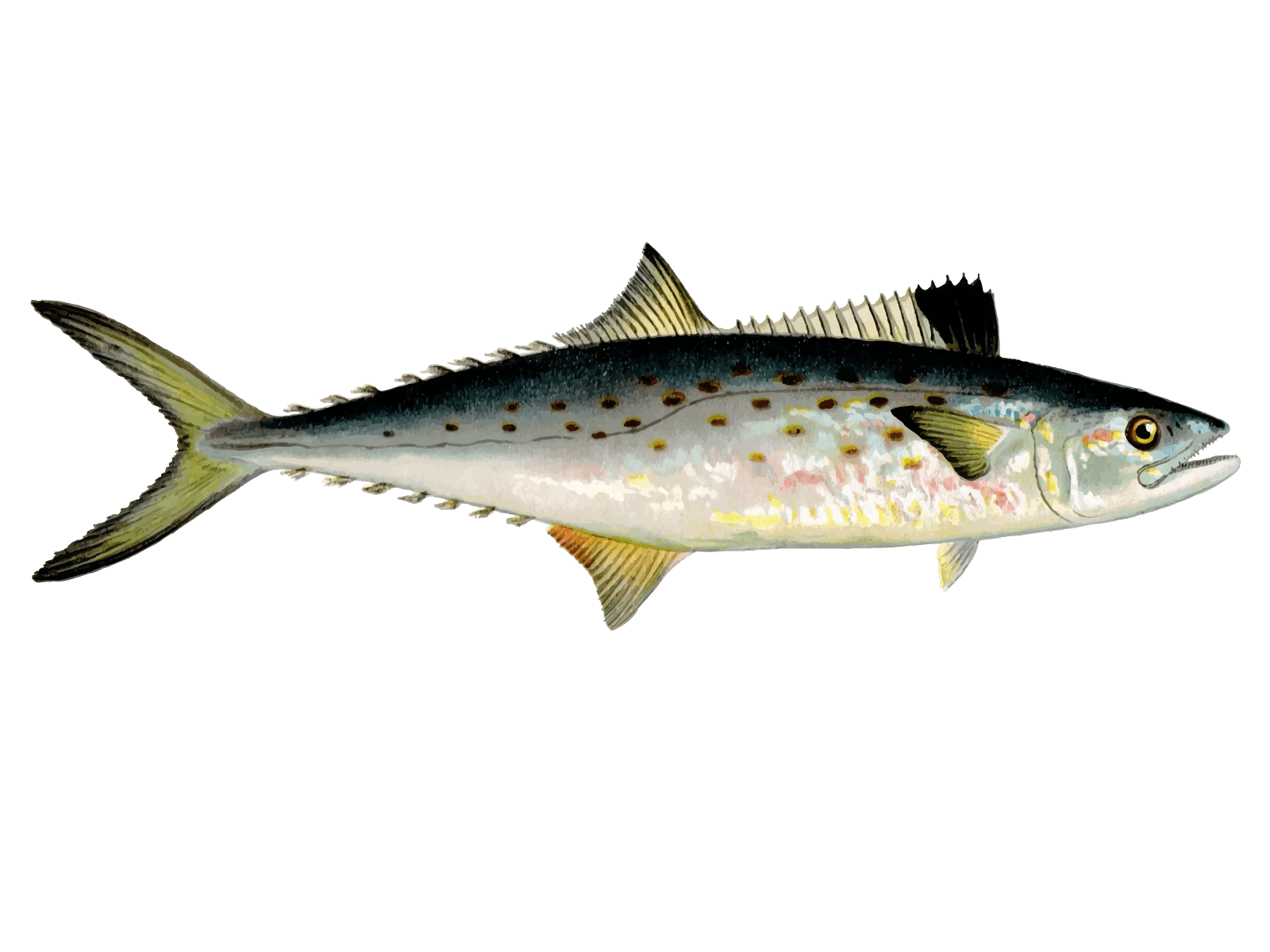
 Spanish Mackerel
- Four-hour afternoon charter targeting red drum and bottom fish species
- All fishing gear included with personalized guidance for up to six guests
- Flexible fishing approach adapting to current conditions and seasonal opportunities
Trip Pricing and Availabilities:
Wanchese NC Nearshore Red Drum Half Day Trip
Looking for some solid afternoon fishing without burning a whole day? This 4-hour afternoon charter kicks off at 11:30 AM right from Wanchese Harbor, putting you in prime position to hit the nearshore waters when fish are actively feeding. We're talking about a trip that consistently produces — red drum, speckled trout, and whatever else is biting in the sounds and just outside the inlet. Perfect for families, first-timers, or anyone who wants to get their line wet without the commitment of a full-day haul. Your private group of up to 6 gets the boat to yourselves, which means more room to fish and better chances for everyone to get hooked up.
What to Expect on the Water
We'll start by reading the conditions — tide, wind, and what the fish have been doing lately. Some days that means working the grass flats for reds, other days we're dropping bottom rigs on structure for croaker and sea mullet. If conditions line up right, we might pull some trolling lines for Spanish mackerel and blues. That's the beauty of this trip — we adapt to what's working. The Outer Banks waters around Wanchese hold fish year-round, and this area's mix of shallow sounds and deeper nearshore structure gives us plenty of options. You'll spend time learning how different spots fish differently, from sandy bottoms that hold croaker to shell beds where sheepshead like to hang. We keep things moving until we find the bite, then work it hard.
Techniques & Tackle Setup
All your gear comes with the trip — rods, reels, terminal tackle, and bait. We typically run a mix of bottom rigs and live bait setups depending on what we're targeting. For red drum, we'll use cut bait or live finger mullet on circle hooks. Bottom fishing means dropping double-drop rigs with small hooks and fresh bait for the smaller stuff that keeps the action steady. When we're trolling, we'll put out Clark spoons or small diving plugs at different depths to cover the water column. The boat's rigged with quality gear that can handle everything from 12-inch croaker to 25-inch red drum. Don't worry about technique — part of what you're paying for is instruction. We'll show you how to read your rod tip, when to set the hook, and how to fight fish properly without losing them at the boat.
Top Catches This Season
Sea trout around here are some of the most reliable fish you'll encounter. Speckled trout typically run 12 to 18 inches in these waters, with the occasional 20-plus-incher to keep things interesting. They're aggressive feeders, especially on moving water, and they'll hit both live bait and artificials. Gray trout are smaller but plentiful — perfect for keeping kids engaged and the cooler filling up. Best part about trout fishing in the sounds is they're here pretty much year-round, though they get more active as water temperatures moderate in spring and fall.
Red drum are the headliners of this trip, and for good reason. These copper-colored bruisers can range from slot-size fish around 18 to 26 inches up to over-slot bulls that'll test your drag system. Reds are sight feeders with excellent hearing, so they'll often hit baits aggressively. During warmer months, they cruise the shallows in small schools. Fall brings some of the best red drum fishing as they stage near inlets before heading offshore. There's nothing quite like watching your rod double over when a red picks up your bait.
Cobia show up during the warmer months and are absolute fighters pound-for-pound. These brown sharks with attitude typically run 20 to 40 pounds in our nearshore waters. They're curious fish that will often follow the boat, giving you a chance to sight-cast to them. When hooked, cobia make long runs and aren't afraid to jump, making them one of the most exciting catches you can tie into on this trip.
Spanish mackerel arrive with the warm water and provide fast action when we're trolling. They typically run 1 to 3 pounds but make up for size with speed and numbers. When you find a school, you can often hook doubles and triples. Their razor-sharp teeth mean you'll lose some, but that's part of the game. Bluefish are similar — aggressive predators that travel in schools and will attack anything that moves. They range from snapper blues under a pound to chopper blues pushing 5 pounds or more.
Time to Book Your Spot
This afternoon half-day trip offers everything you want from a nearshore fishing charter — variety, action, and the flexibility to target what's biting. Whether you're introducing kids to saltwater fishing, looking for a shorter trip that still delivers results, or just want to get out on the water without the time commitment of a full day, this charter hits the mark. Remember to bring drinks, snacks, and non-spray sunscreen. The rest is on us. Wanchese waters have been producing consistent catches, and this customer-favorite trip keeps anglers coming back for good reason. Book your spot and get ready to see why the Outer Banks nearshore fishing scene has such a solid reputation.
Learn more about the species
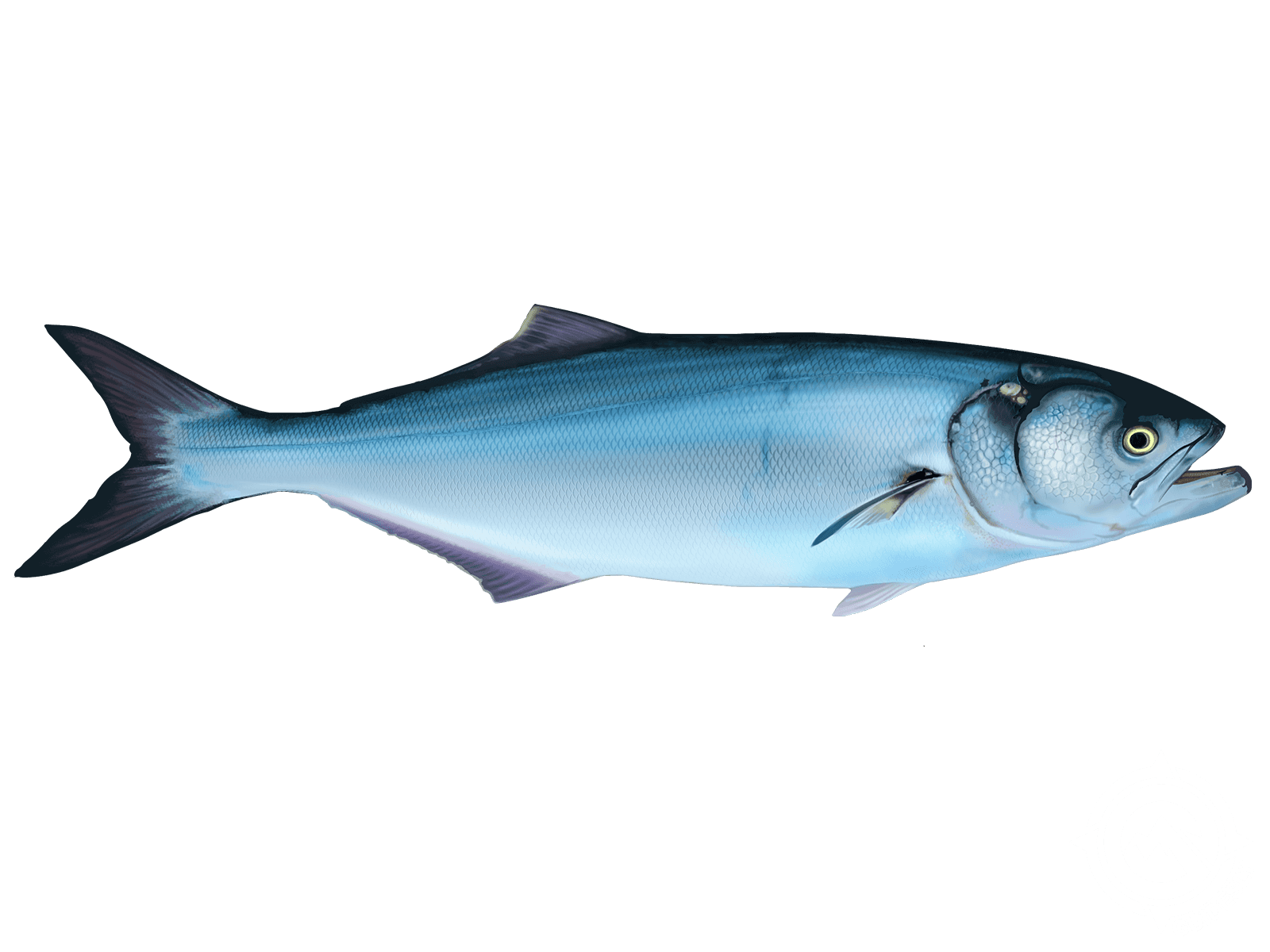
Bluefish
Blues are aggressive predators that travel in schools and aren't shy about letting you know they're around. They typically run 2-10 pounds in our waters, with those razor-sharp teeth and powerful jaws. You'll find them chasing baitfish near the surface, around structure, and in the surf zone during their summer migration. Late spring through fall is prime time when they're feeding heavily before heading south. What guests enjoy is their hard fighting and the way they'll attack just about any lure you throw at them. They're decent eating when bled and iced immediately. Key trick: use wire leaders - those teeth will cut through mono in a heartbeat, and don't stick your fingers near their mouth!
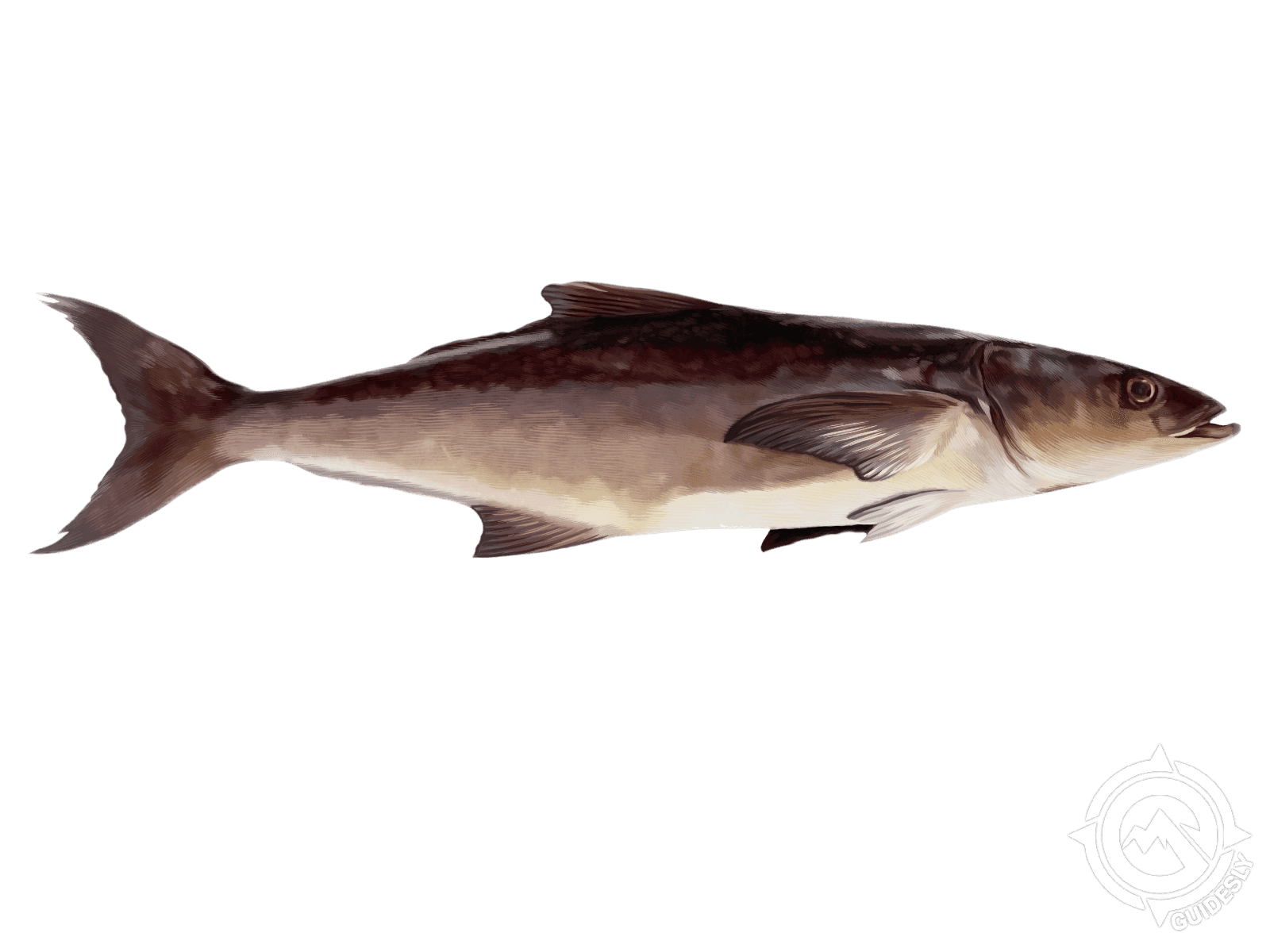
Cobia
Cobia are the loners of our nearshore waters, typically running 30-50 pounds with some giants pushing 100. They cruise around structure like wrecks, buoys, and channel markers, often mistaken for sharks at first glance due to their dark brown color and single dorsal fin. Spring migration from April through June is prime time when they're moving north along our coast. What guests love about cobia is their size, their willingness to eat big baits, and that firm white meat that's amazing on the grill. They're curious fish that'll often come right up to the boat. Key tip: when you spot one, get a bucktail jig or live eel down quick - they don't stick around long.
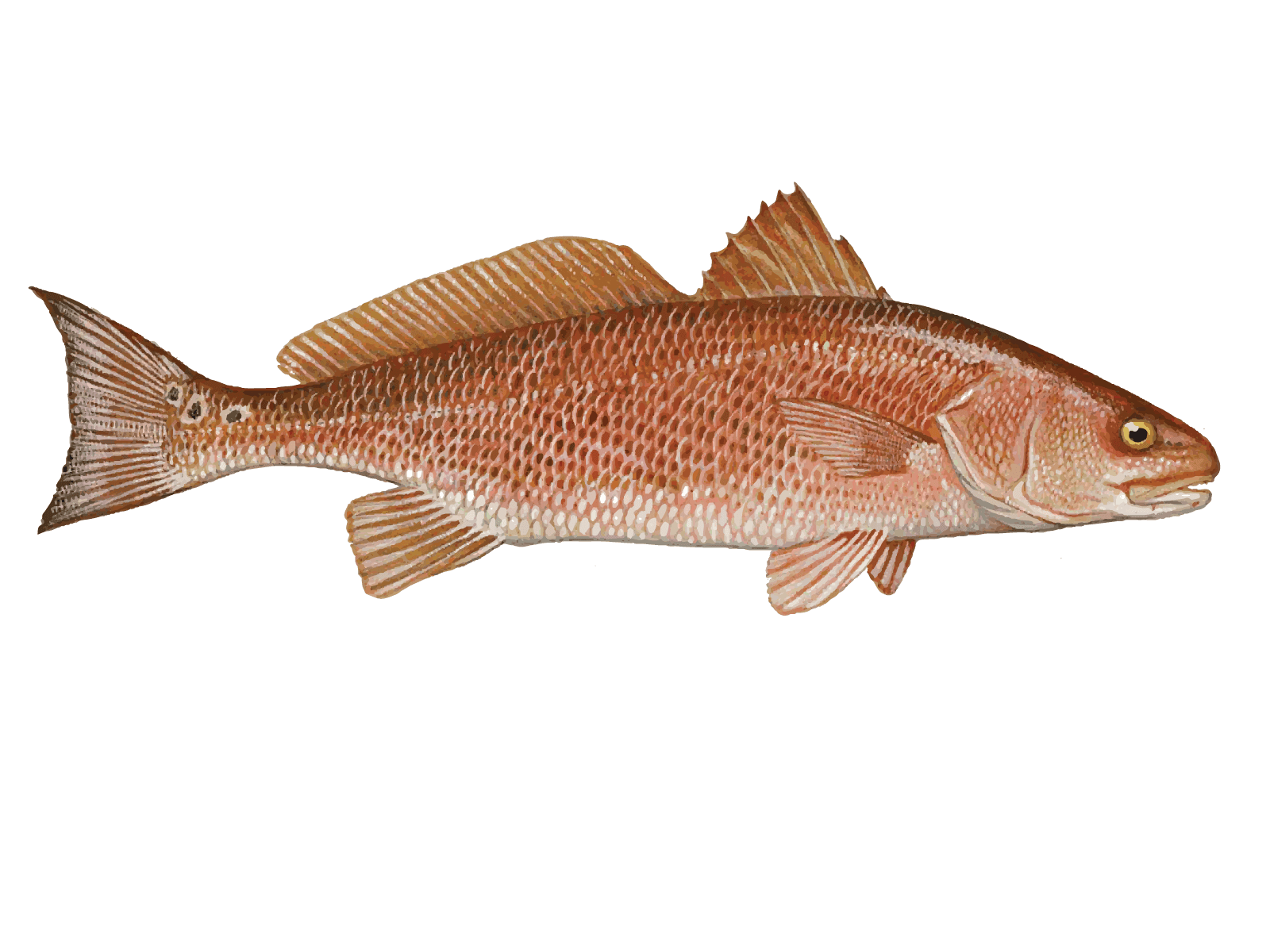
Redfish
Red drum are the bread and butter of our local fishing, running anywhere from schoolie-sized 20-inchers up to bull reds pushing 40 pounds. They love shallow flats, oyster bars, and marsh edges - sometimes in water so skinny their backs show above the surface. Spring through fall gives you the best action, with cooler water bringing them into the sounds. What makes reds special is their willingness to eat just about anything and that distinctive black spot near the tail. They're strong fighters and excellent table fare when they're slot-sized. My go-to trick is looking for nervous water or tail-slapping on calm days - that's usually reds pushing bait in the shallows.
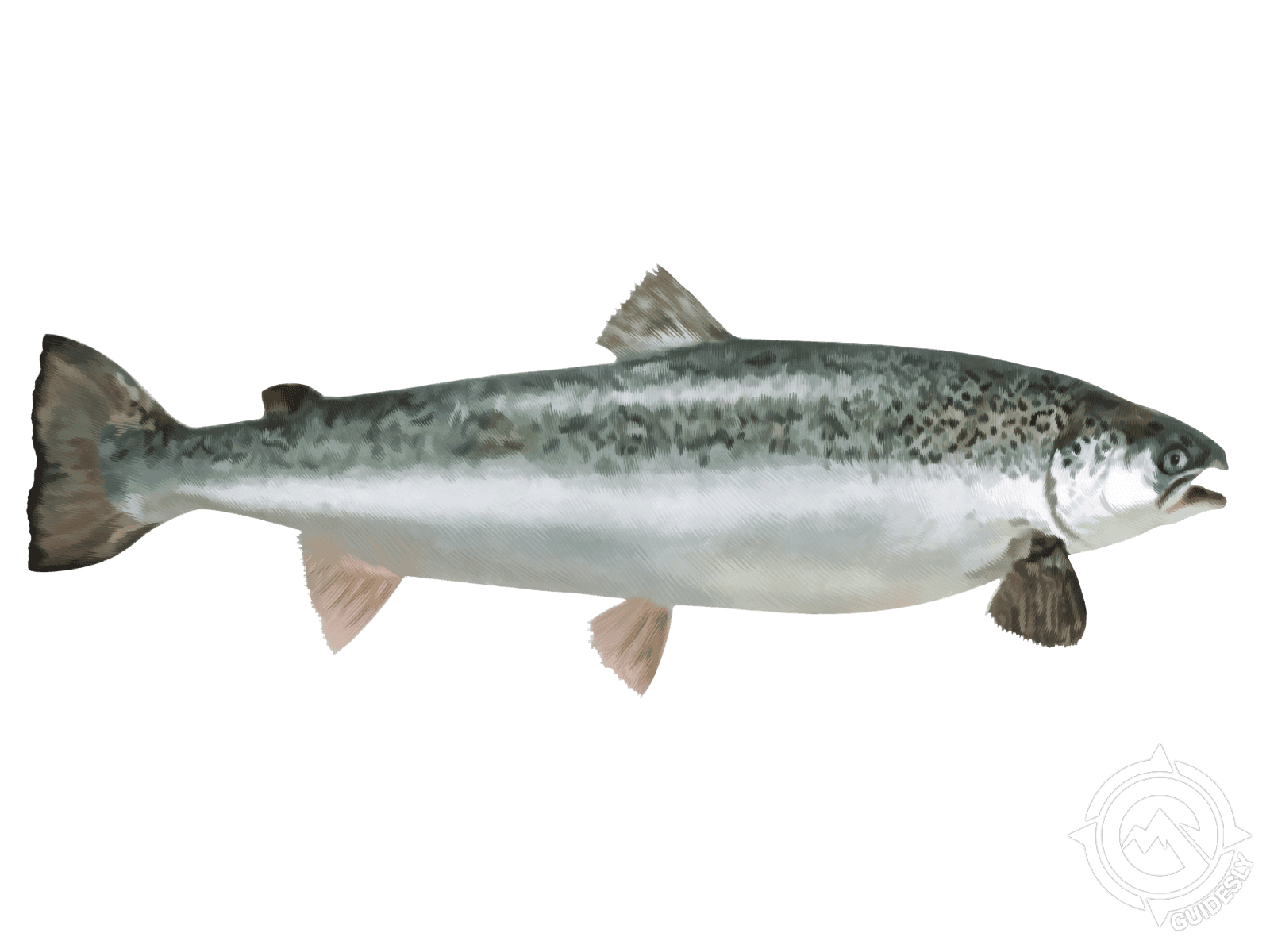
Sea Trout
Speckled trout around here typically run 14-24 inches and fight surprisingly hard for their size. You'll find them in grass flats and shallow waters, especially at night when they're most active. Spring through fall are your best bets, with cooler months bringing bigger schools into deeper channels. What guests love about specks is their willingness to bite and that sweet, flaky white meat that's perfect for the dinner table. They'll hit live shrimp, soft plastics, and topwater plugs with equal enthusiasm. Pro tip: when you're working grass flats, keep that bait just above the vegetation - they like to ambush prey from below, and you'll avoid getting hung up in the weeds.
Spanish Mackerel
Spanish mackerel are speed demons that'll give you a screaming drag run before you know what hit. Most run 1-3 pounds with those distinctive yellow spots along their silver sides. They travel in schools near the surface around structure, bait pods, and current breaks. Summer through early fall is peak season when water temps are right. Guests love them because they're aggressive biters, fast swimmers that put up a solid fight, and they make excellent table fare - mild and flaky when cooked fresh. They'll hit small spoons, jigs, and live bait like sardines. Pro tip: when trolling, use light wire leaders and keep your speed up around 4-6 knots - they like that fast presentation.
About the Privateer
%2F%2Fusers%2F753480f6-3fec-47c0-9374-2b60a96e6167%2Fvehicle_picture%2F428179a37069fa74dfc7a35cc5936a99-mlil77n3.jpg&w=1920&q=75)
Vehicle Guest Capacity: 6
Manufacturer Name: Yamaha
Maximum Cruising Speed: 24
Number of Engines: 1
Horsepower per Engine: 150